![]() |
| ISBN: 9788862087223 |
![]() |
| ISBN: 9788862087223 |
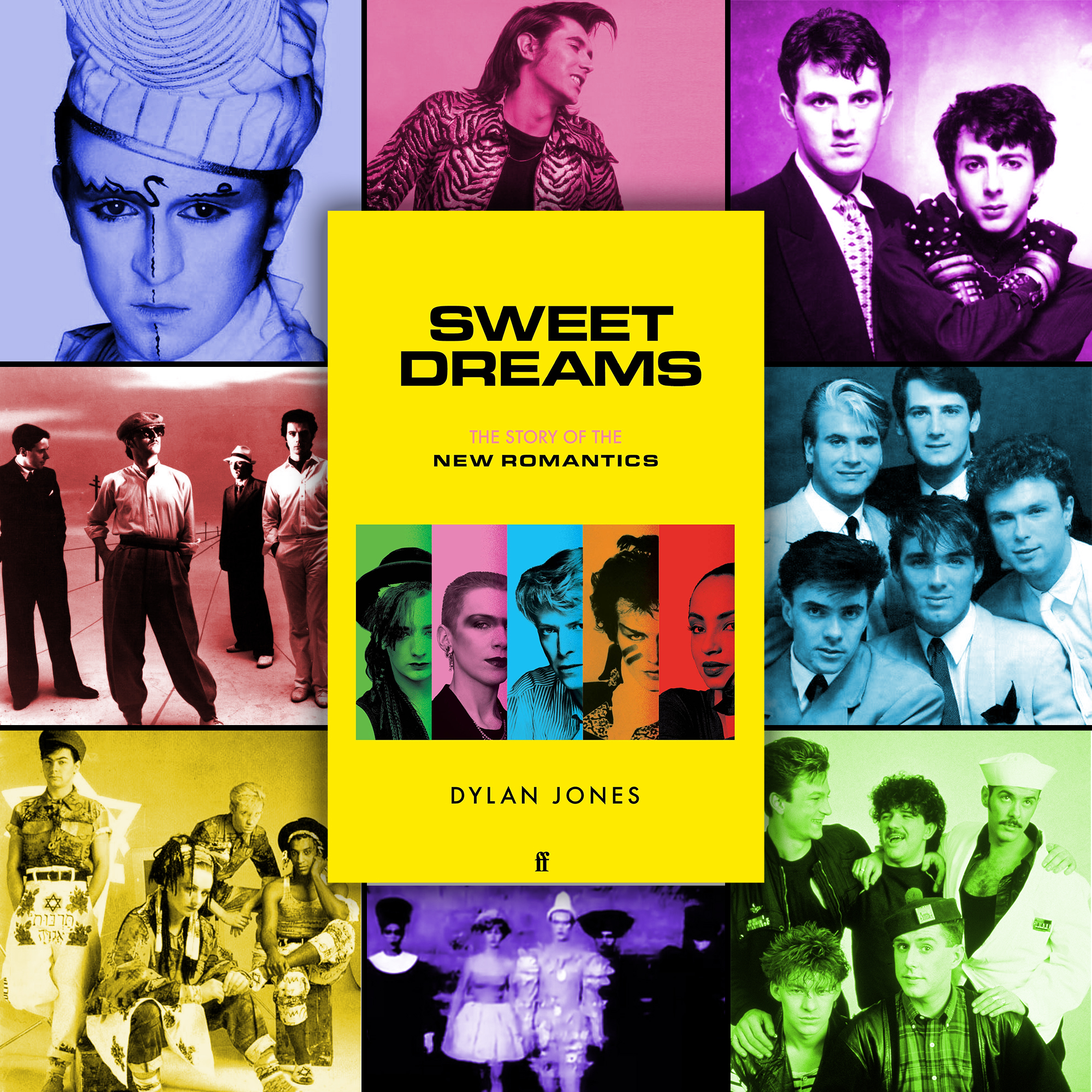
Tosh and Kimley discuss Sweet Dreams: From Club Culture to Style Culture, the Story of the New Romantics by Dylan Jones. The 80s are back! Whether or not this makes you cringe, it was nevertheless an interesting era of Thatcherism, gender fluidity, rampant consumerism, and a hugely creative group of young people looking to conquer the world. This book goes well beyond the superficial veneer of the big hair, the big shoulder pads, and the hyper-stylized MTV videos. Jones gives us a seriously in-depth look at the nucleus of the scene in England as well as contextualizing it in the broader social and political sphere, not just in England but throughout the world. No haircut is left unexamined!
Theme music: “Behind Our Efforts, Let There Be Found Our Efforts” by LG17
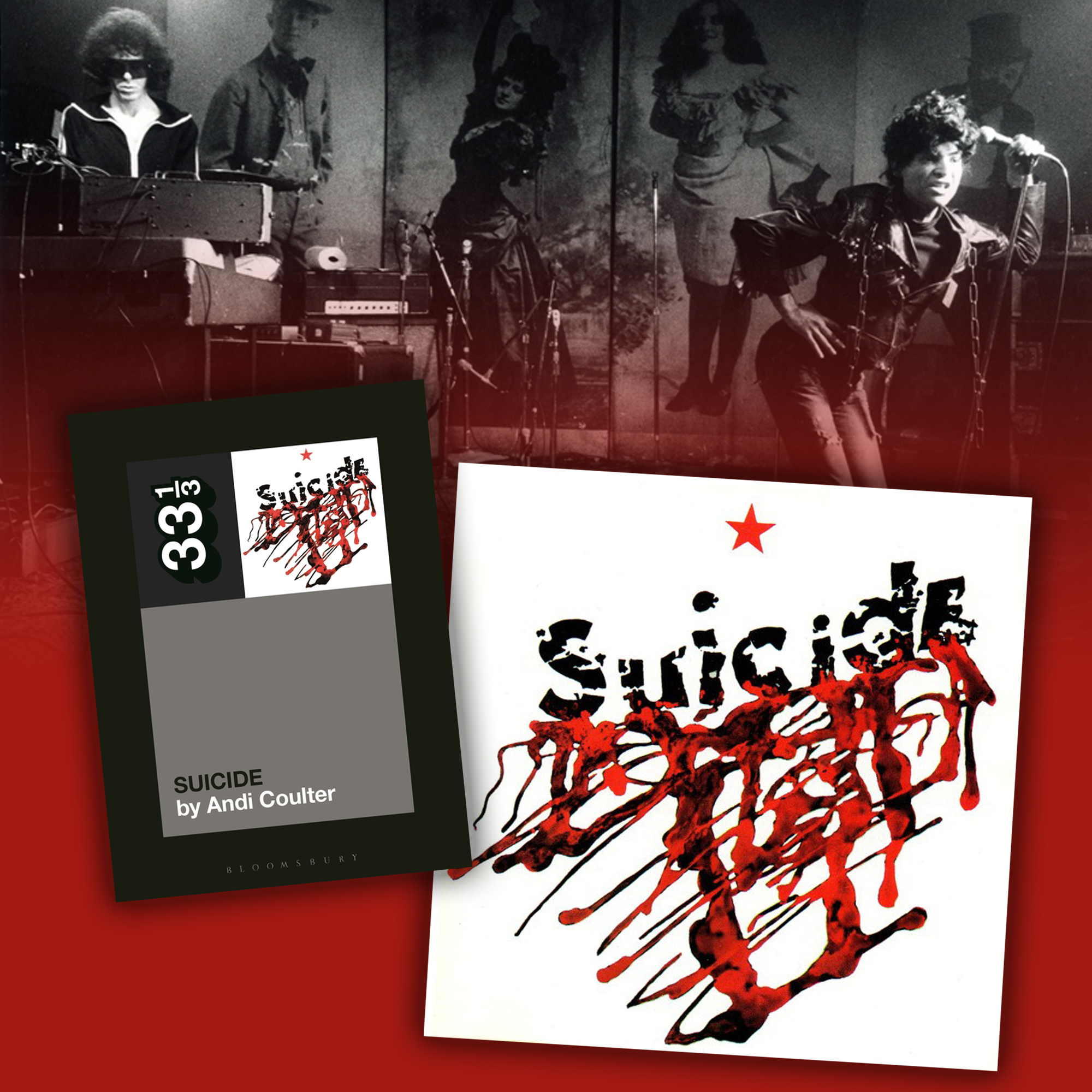
Tosh and Kimley discuss Suicide’s Suicide by Andi Coulter from the 33 1/3 series. Suicide was a band comprised of Alan Vega on vocals and Martin Rev as the sole multi-instrumentalist. Spawned from the wreckage of 1970s New York, the band never seemed to find a wide audience but those in the know who were lucky enough to have seen them live were the participants in a show that surely would not be forgotten. Typically described as an assault to the senses with a strong vibe of imminent violence, most people didn’t quite know what to make of them. But as so often happens with cult artists, their influence casts a wide net and continues to do so to this day.
Theme music: “Behind Our Efforts, Let There Be Found Our Efforts” by LG17
Juliette Gréco, an icon from the beginning to the end. St Germain des Prés beauty and a great song artist. A dramatic life with intense romances (Miles Davis) and a close friend and perhaps even muse to Boris Vian. I love her. -Tosh Berman.
Tosh and Kimley discuss Wagnerism: Art and Politics in the Shadow of Music by Alex Ross. A famous quip goes “Wagner’s music is better than it sounds.” Whether you find Wagner’s music to be sublime or bombastic, this is an essential read. It is not a biography or an examination of his music but, more interestingly, it’s a very deep dive into the enormous cultural and political influence Richard Wagner has had on his contemporaries and everyone since, from writers to painters, dancers, philosophers, politicians, and filmmakers. The diversity of those who’ve come under the spell of Wagnerism is beyond compare. And this is despite Wagner’s well-known antisemitism and association with Hitler and the Nazi regime. Cancel culture hasn’t quite figured out what to do with Wagner but Ross leaves no stone unturned in this enormous and hugely satisfying read.
Theme music: “Behind Our Efforts, Let There Be Found Our Efforts” by LG17
ISBN: 978-1-68137-524-3
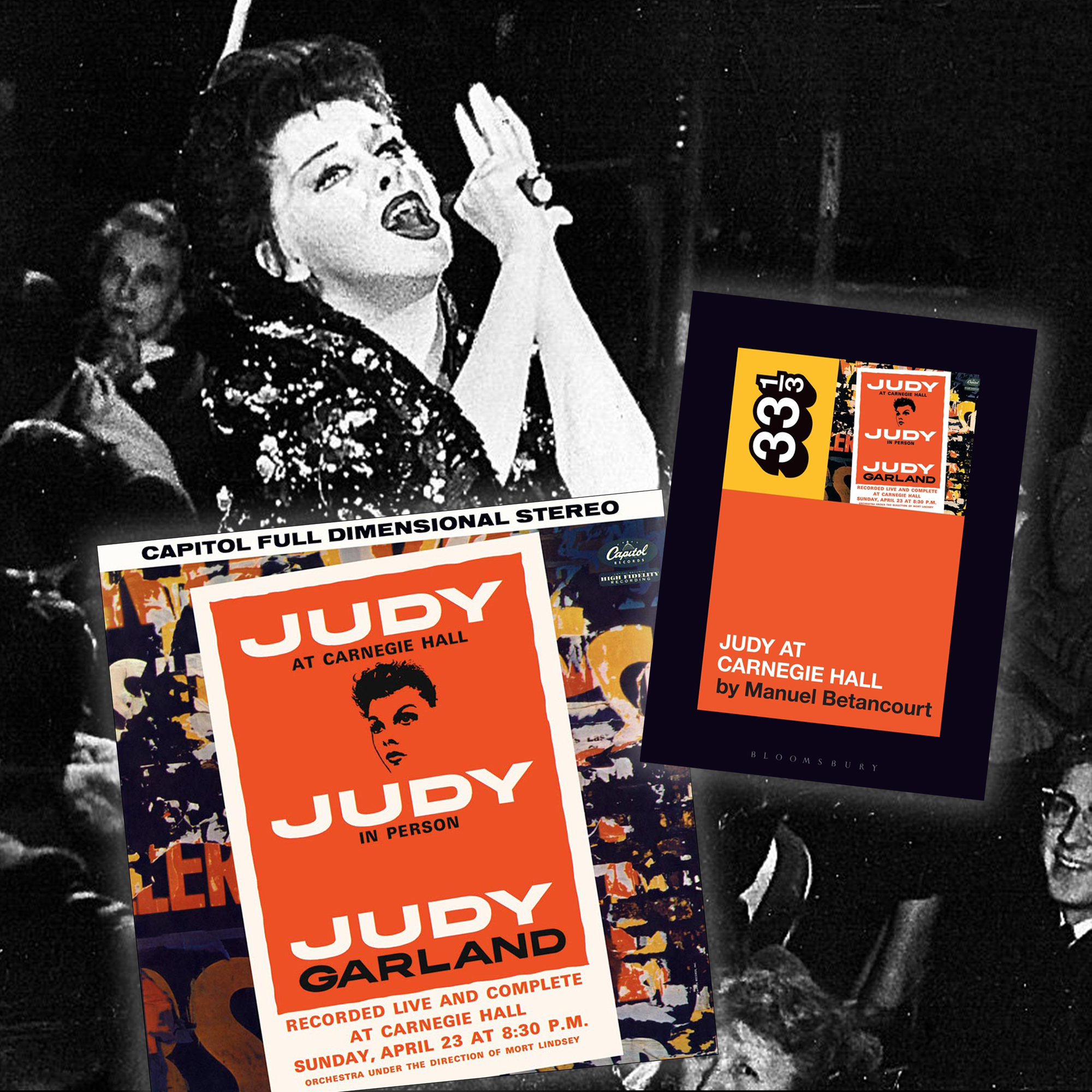
Tosh and Kimley discuss Judy Garland’s Judy at Carnegie Hall by Manuel Betancourt from the 33 1/3 series. This live double album was a milestone in pop-culture history. Recorded in 1961, the album is an homage to the American songbook, was on the Billboard charts for over 70 weeks, won four Grammy Awards and has never been out of print. It was a highwater mark both in terms of Garland’s career and as part of the cultural and sociological zeitgeist of the 60s. Garland looms large as an old-Hollywood film icon and as one of the most celebrated gay icons. Her life was full of tragedy and triumph and this album is undoubtedly at the pinnacle of her many triumphs.
Theme music: “Behind Our Efforts, Let There Be Found Our Efforts” by LG17
On a normal day I'm fascinated with images of me, but alas, since the lockdown, I have been obsessing over my aging. Every birthday I take a self-portrait and notice the changes that are within me. This is my second day of being 66, and I'm still dumb. I've been dumb ever since I was a child. I'm thankful for social media that allows, and even encourages me to bring my image to the masses (or the dedicated few). The difficult thing in life is to not to fall into the trap of thinking of only myself, but also attempt to give notice to others. Clearly, they don't need a photograph of yours truly! -Tosh Berman.
Tosh and Kimley discuss Go All the Way: A Literary Appreciation of Power Pop by Paul Myers and S. W. Lauden. This compilation of short essays by a wide range of writers (including Michael Chabon and Allison Anders among others) explores the minutiae of what constitutes power pop exactly, whether or not it is even desirable to be lumped into this subgenre and which bands are considered power pop, with bands like Bad Finger, The Raspberries, Big Star, and Cheap Trick generally being considered the prototypes. Despite its effervescent appeal, fans of power pop are deadly serious about its nuances. Both celebrated and maligned, power pop is a nebulous genre and after reading this book things still seem murky to us. But like Supreme Court Justice Potter Stewart pronounced in an attempt to define porn, we know it when we see it!
Theme music: “Behind Our Efforts, Let There Be Found Our Efforts” by LG17
![]() |
| ISBN: 978-1-68137-418-5 |
As I live on in the 21st-century, I'm finding less pleasure in everyday life, except for the novels by Jean-Patrick Manchette (1942-1995). "No Room at the Morgue" is unusual (so far) compared to his other narratives because the main character is a private detective. Like a classic crime-noir novel, there are colorful characters in an iconic city, that's Paris. The placement of a crime novel is always using the location as if it's another character. I often wish that their fiction section is organized in a bookstore in what city the story takes place. If I want to read a Parisian story, I go to the Paris section of the store.
Manchette is one of the great crime writers, and what gives him that edge is that his world is very much part of the May '68 world or rebellion and the failure of that movement. Usually, in classic detective novels, there is the background of war or an economic downturn that fuels the narrative in some form or method. Manchette is no different in using contemporary (at then) life, and making it very much part of the world of the characters, and how they operate in such a manner.
Harold A. Rodman's afterword is a dessert after a delicious main meal, the novel itself. Once again, the New York Review of Books has put together a masterful package.
Tosh and Kimley discuss Remain in Love: Talking Heads, Tom Tom Club, Tina by Chris Frantz. Frantz is a founding member of Talking Heads and as the drummer he was half of the rhythm section along with his wife Tina Weymouth on bass. They were at the epicenter of the infamous CBGB scene in 1970s New York along with The Ramones, Television, Blondie, and Patti Smith to name just a few. They broke fresh creative ground on what a rock band could be – quirky, geeky, arty, possibly too smart for their own good and oddly clean-cut but with a twist. Lester Bangs famously said they were so uncool that they were cool. Frantz adds his firsthand perspective on a time in rock ‘n’ roll history of which we can never get enough.
The world of Tosh Berman. Focusing on books, and writings by Tosh Berman.